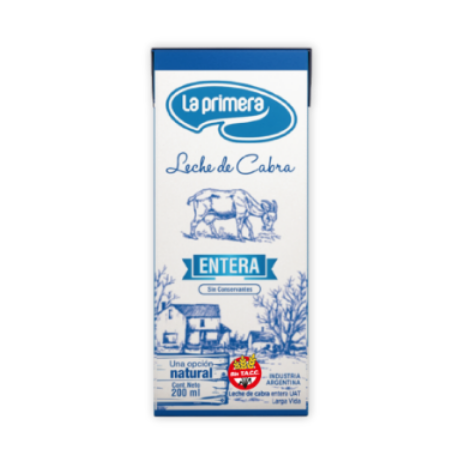
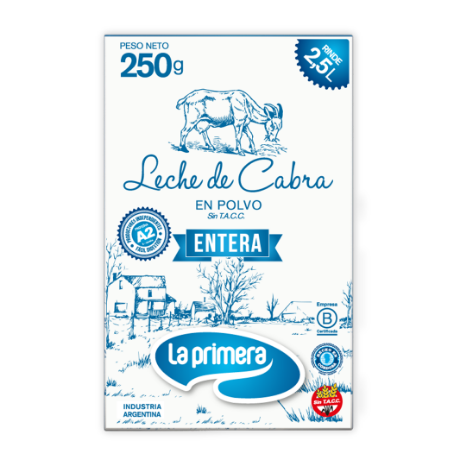
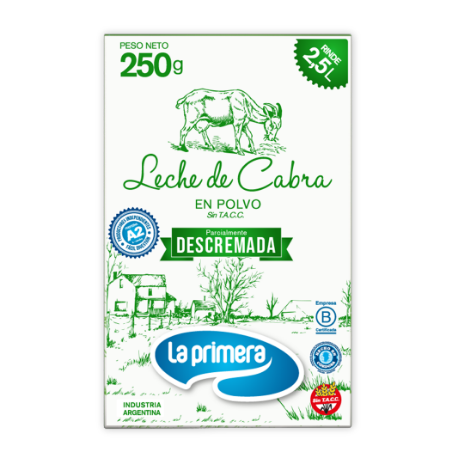
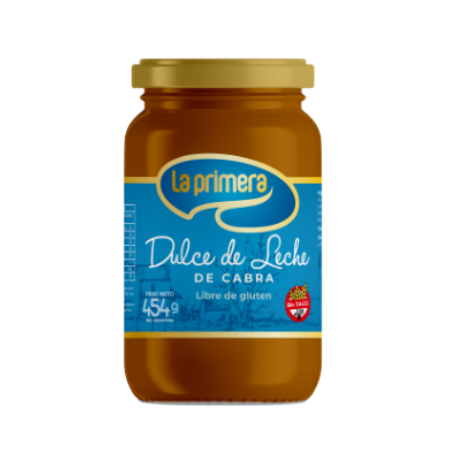


More nutrients and better absorption
It has more protein, vitamins (such as A and D), and minerals (such as calcium, phosphorus, and zinc). Its high levels of iron make it ideal for treating cases of anemia.

Goat milk has great properties, among which are better digestibility and absorption of nutrients, high levels of calcium and protein, as well as great hypoallergenic qualities.

Goat's milk can be digested and absorbed by the human body more easily than cow’s milk. Its fat globules are much smaller than the ones found in cow’s milk, and their concentration is twice as high as in cow’s milk, which considerably shortens goat’s milk residence time in the stomach and slows bowel transit.
The high levels of iron in goat’s milk makes it particularly suitable for treating cases of anemia. It is rich in fatty acids — capric, caprylic and caproic— which provide energy for growth and have hypocholesterolemic effects. These are beneficial for patients with malabsorption.


Ten percent of the child population is intolerant to cow’s milk and its derivatives. Goat’s milk is an excellent alternative in these cases because of its hypoallergenic properties.
It has more protein, vitamins (such as A and D), and minerals (such as calcium, phosphorus, and zinc). Its high levels of iron make it ideal for treating cases of anemia.
Goat’s milk has 20% less lactose than cow’s milk and mainly contains as2-type casein, which gives it hypoallergenic properties.


In addition to containing natural prebiotics, its smaller fat globules and in greater quantity reduce the residence time in the stomach and facilitate intestinal transit.
It is the most similar animal milk in composition and structure, and its fat has a unique metabolic quality that prevents it from being stored as adipose tissue.